


Moab, Utah is one of those places that feels almost unreal the first time you see it. The colors are deeper, the landscapes unlike anywhere else on earth, and the light just looks magical. I created this Moab Travel Guide for you to help you navigate the logistics of visiting this stunning location!
This guide started as something simple to share with friends visiting my home: a google doc I added to with each new experience in Moab.
Over time, it became a collection of favorite places, helpful tips, and meaningful moments. As a destination wedding photographer who grew up grew up just a couple hours from these parks and spent most of their childhood there, and now frequents Moab to photograph weddings and couples, I know how helpful it can be to have an inside scoop- as well as all of the logistics sorted before you go.
If you are planning a trip here, you are stepping into a place where new adventures and timelessness exist side by side. You’ll never run out of things to do and see in Moab, no matter how many times you visit!

A Small Town Surrounded by Something Big
For how much of the best scenery on earth it boasts, Moab is a relatively small town- but what surrounds it is anything but little. Within a short drive, you have access to national parks, state parks, and endless open land.
You will find:
- Arches National Park
- Canyonlands National Park
- Dead Horse Point State Park (which you can see here!)
- Utahraptor State Park
- Goblin Valley State Park
- BLM land in every direction
The town itself is simple yet charming. A few chain restaurants, plenty of local favorites, a local grocery store or two, and small shops filled with handmade pieces of art and clothing from local artisans. It is worth strolling through after dinner- the local artisans that supply most of the shops are amazing!!- but most of your time will be spent outside of it.
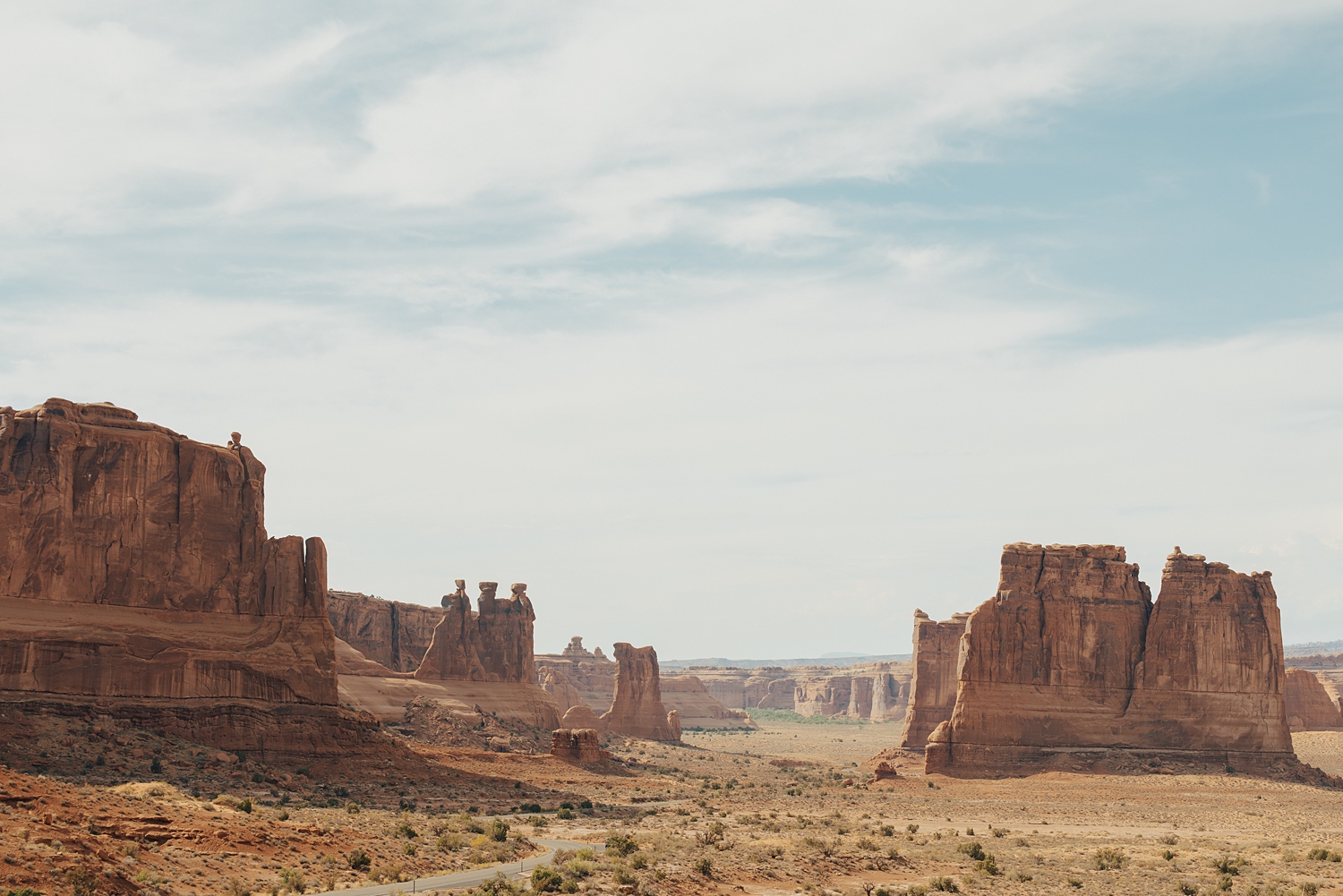
Landscapes That Shift Constantly: A Moab Guide
Moab is known for its red rock, but there is so much more. One moment you are surrounded by towering sandstone formations. The next, you are driving toward mountains filled with pine trees and cooler air. Moab has the best of Utah in one town!
Every part of the day feels different too! Morning is calm, cool, and quiet, while midday is bright, busy and expansive. Sunset is where everything comes alive.
The temperatures can also drastically differ depending on the time of year. Spring will see cool mornings/evenings with warm afternoons and frequent late afternoon thunderstorms. Summer will see soaring temperatures 90-110 degrees Fahrenheit. Fall will see stable, warm days and cool nights. Winter plunges into freezing temperatures and often will see snow. My personal favorite months to visit Moab are May and October.
To plan your visit: I highly recommend the AllTrails app! It gives you all the hikes in the area + all the info you need to know about each.
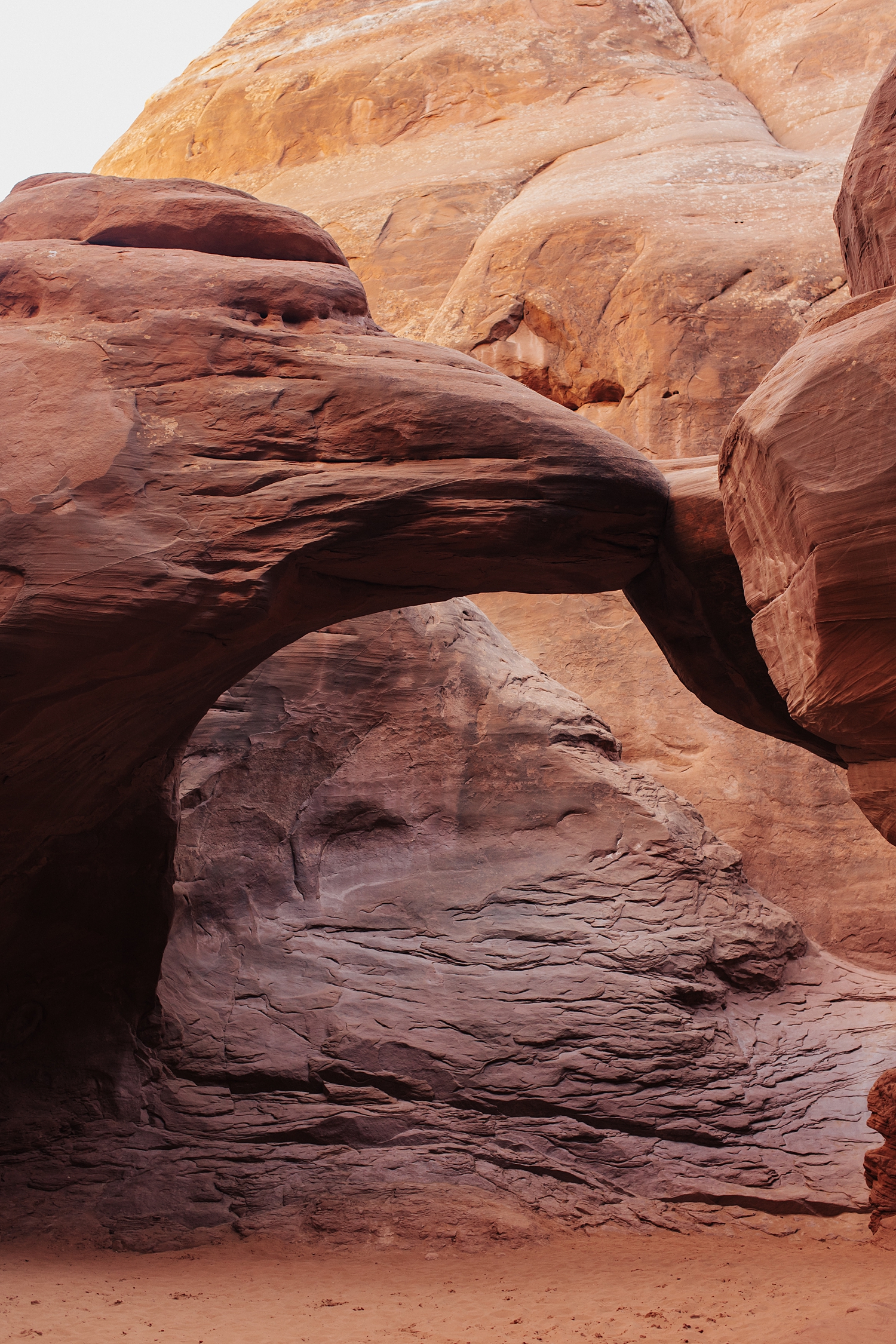
To truly experience Moab, you need to give yourself time. Distances are bigger than they seem, and driving is part of the experience.
A few tips to plan your trip:
- Fly into Salt Lake City or Grand Junction and rent a car
- Expect longer drive times between locations (30-90 minutes between the town/parks)
- Plan your day around sunrise and sunset
- Always bring water and snacks
- Leave space in your schedule to explore

Arches National Park + Nearby Adventures
Moab, Utah is home to one of the most iconic national parks in the country. Arches National Park holds over 2,000 natural stone arches, each one shaped over time by wind and water.
This is where many visitors start, and for good reason.

Planning Your Visit
If you are visiting between spring and fall, you will need a *timed entry reservation between 7 AM and 4 PM. It is simple to book and makes a big difference in your experience.
Arrive early or later in the day if you want softer light and fewer crowds.
IMO, the best times to visit Arches (and Moab as a whole) is March-May and end of September-beginning of November.
**Update: As of April 2026, you no longer need a timed entry reservation to enter Arches National Park.

Must-See Spots Inside the Park: An Arches Guide
Arches offers a mix of easy walks and longer hikes. Some of the best locations are accessible without much effort.
A few favorites:
- Windows Corridor for multiple arches in one stop
- Double Arch for its scale and structure
- Delicate Arch for an unforgettable view (and the most famous landmark in Utah!)
- Sand Dune Arch for shade and a different feel
- Don’t miss Corona Arch, located outside of Arches NP
There are also quick stops like Balanced Rock and Park Avenue that are worth pulling over for.
While Arches is a big highlight, there is more just outside the park. I created this Moab Guide so you could explore them all!
A Quick Reminder
Stay on the trails. The desert ground is alive, even if it does not look like it! The desert ground is covered with a thin layer of living organisms called cryptosoil, and it’s the true lifeblood of what keeps the desert alive. Protecting it keeps this place beautiful for years to come. Don’t bust the crust!!

Next: Canyonlands + Dead Horse Point
A Different Kind of Beauty
While popular, Moab is not just about Arches. Canyonlands National Park offers a completely different perspective. It is wider, quieter, and feels almost endless.
This park is divided into districts (Canyonlands is HUGE), but Islands in the Sky is the most accessible and a perfect place to start. The other districts will require backcountry access + experience and/or permits.
Some of the most memorable spots are easy to reach and do not require long hikes.
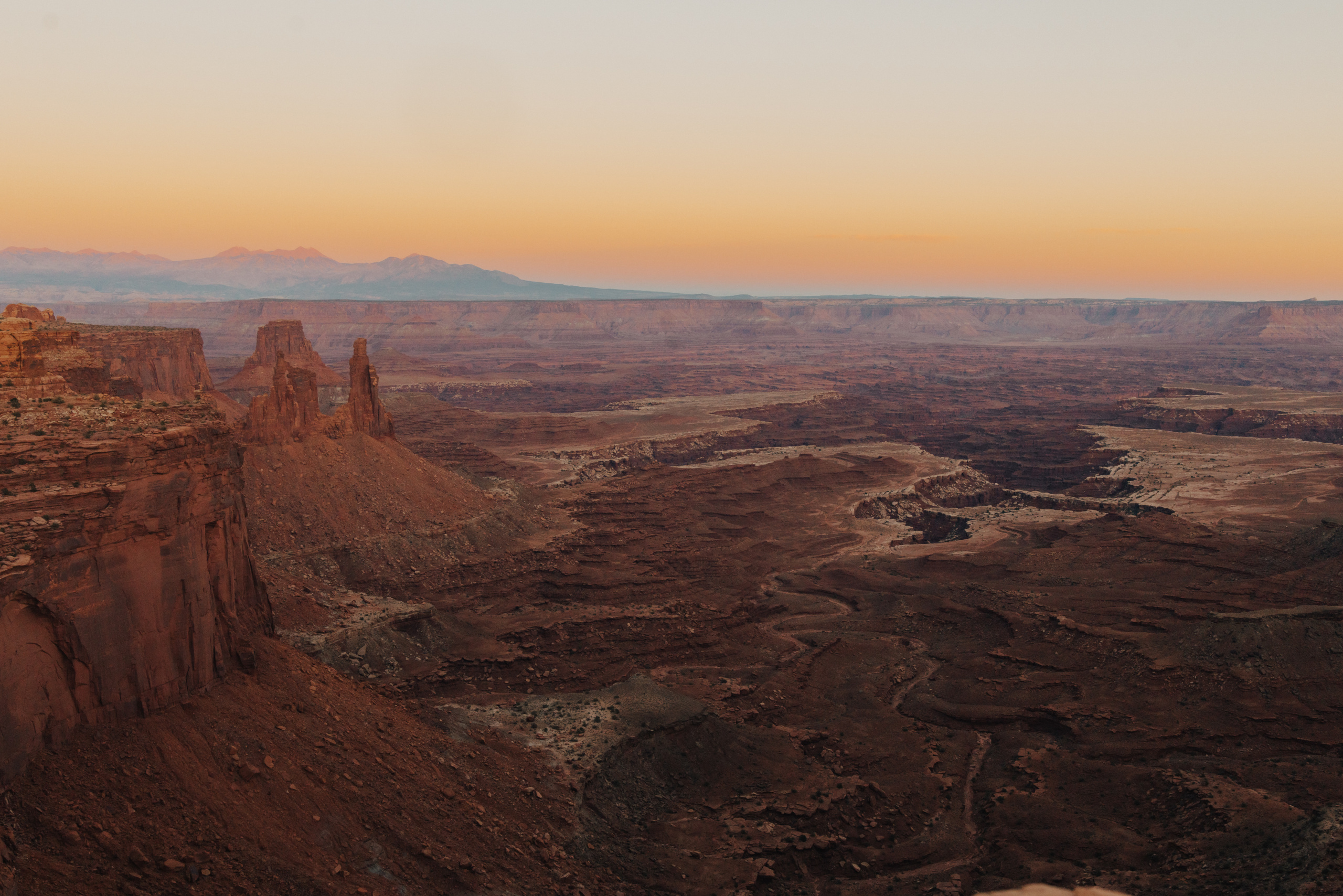
Favorites include:
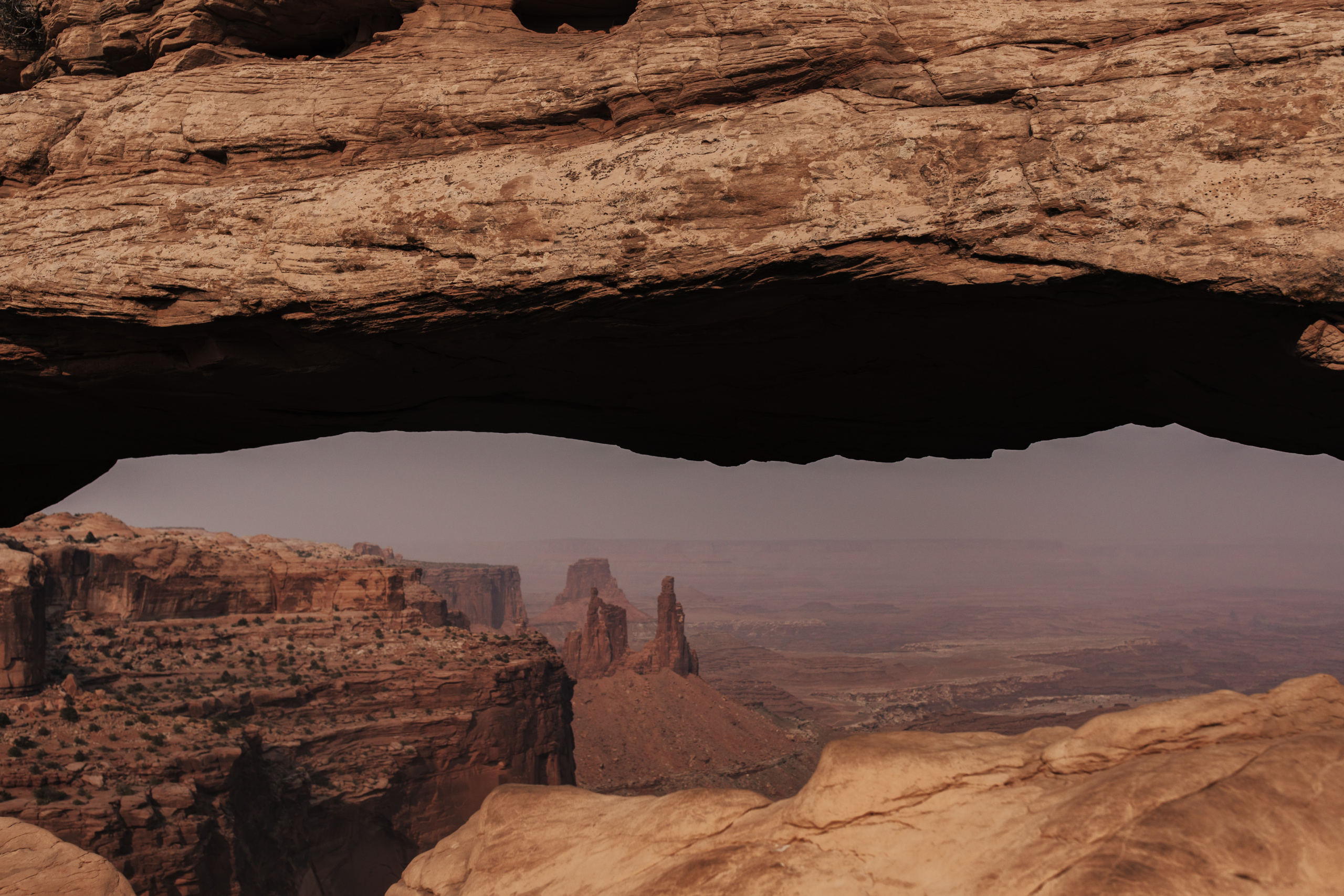
- Mesa Arch, especially at sunrise (be prepared for crowds!)
- Green River Overlook for wide canyon views
- Grand View Point for a longer scenic walk
Each stop gives you a new angle of the landscape.
Dead Horse Point at Sunset
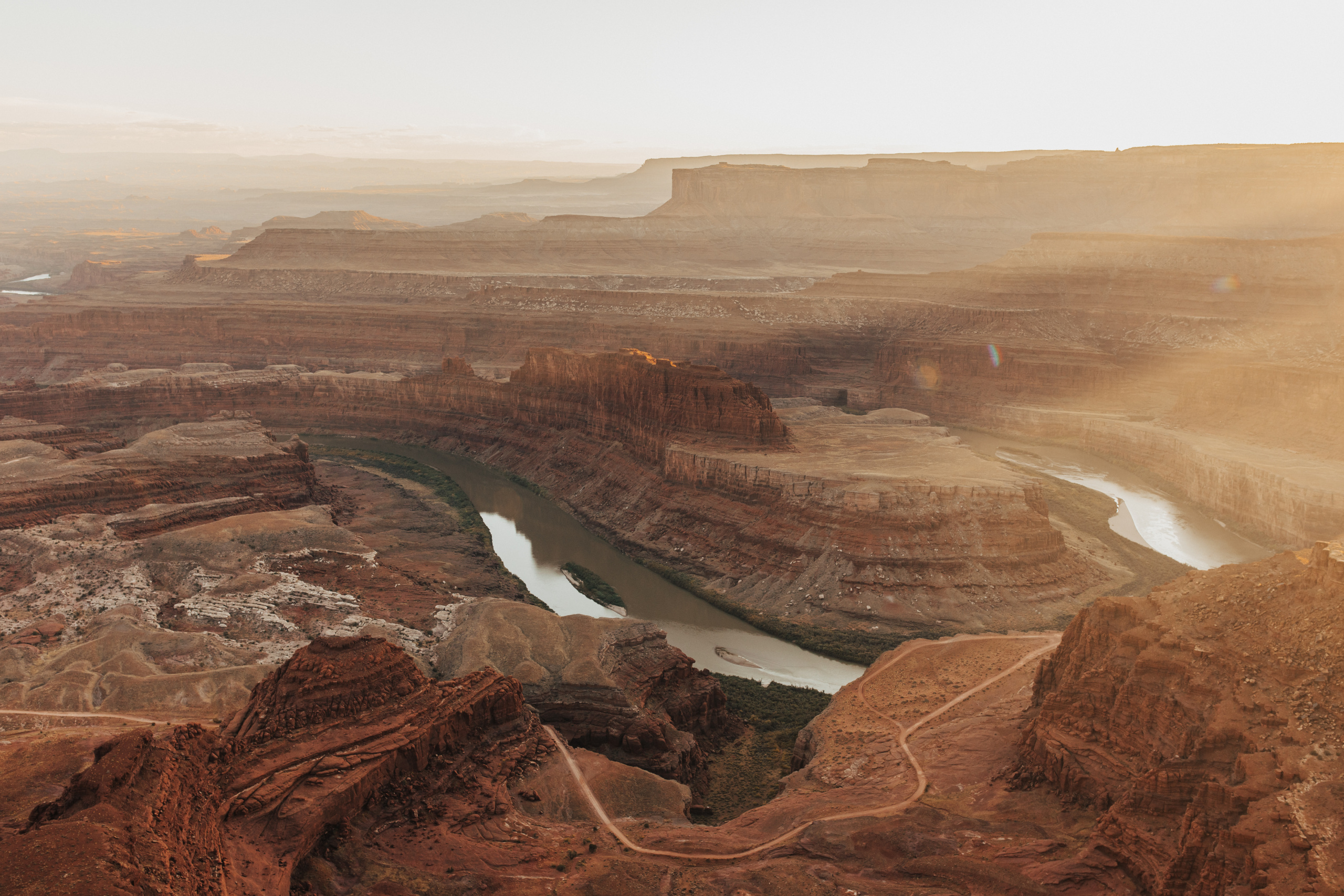
Dead Horse Point is known for its dramatic view of the Colorado River winding through the canyon. It is often compared to Horseshoe Bend, but feels quieter and more personal. Dead Horse Point is one of my favorite places on earth (I love it so much, it’s tattooed on me!) and even though it’s a state park without much hiking, it’s still a don’t-miss in Moab. I would argue there’s not a better place to watch the sunset on earth.
The best time to visit is at sunset, hands down. The colors shift slowly, turning the canyon from reds and oranges into layers of pink, orange, purple, and soft blue. This is a really popular place for elopements, first looks and bridal portraits. As a destination wedding photographer, this is one of my most popular locations!
Next in Your Moab Guide: Hidden Gems + BLM Land
Beyond the Parks
This area is known for its national parks, but some of the most unforgettable places are found outside of them.
BLM land surrounds the area and offers space to explore without crowds.
Castle Valley is one of the most beautiful drives you can take. Red rock walls rise on one side, while the river moves quietly on the other.
It is worth the drive alone- the road to Castle Valley is one of the most famous in the USA.
If you are willing to venture farther, this area opens up even more.

A Day Trip to Hanksville
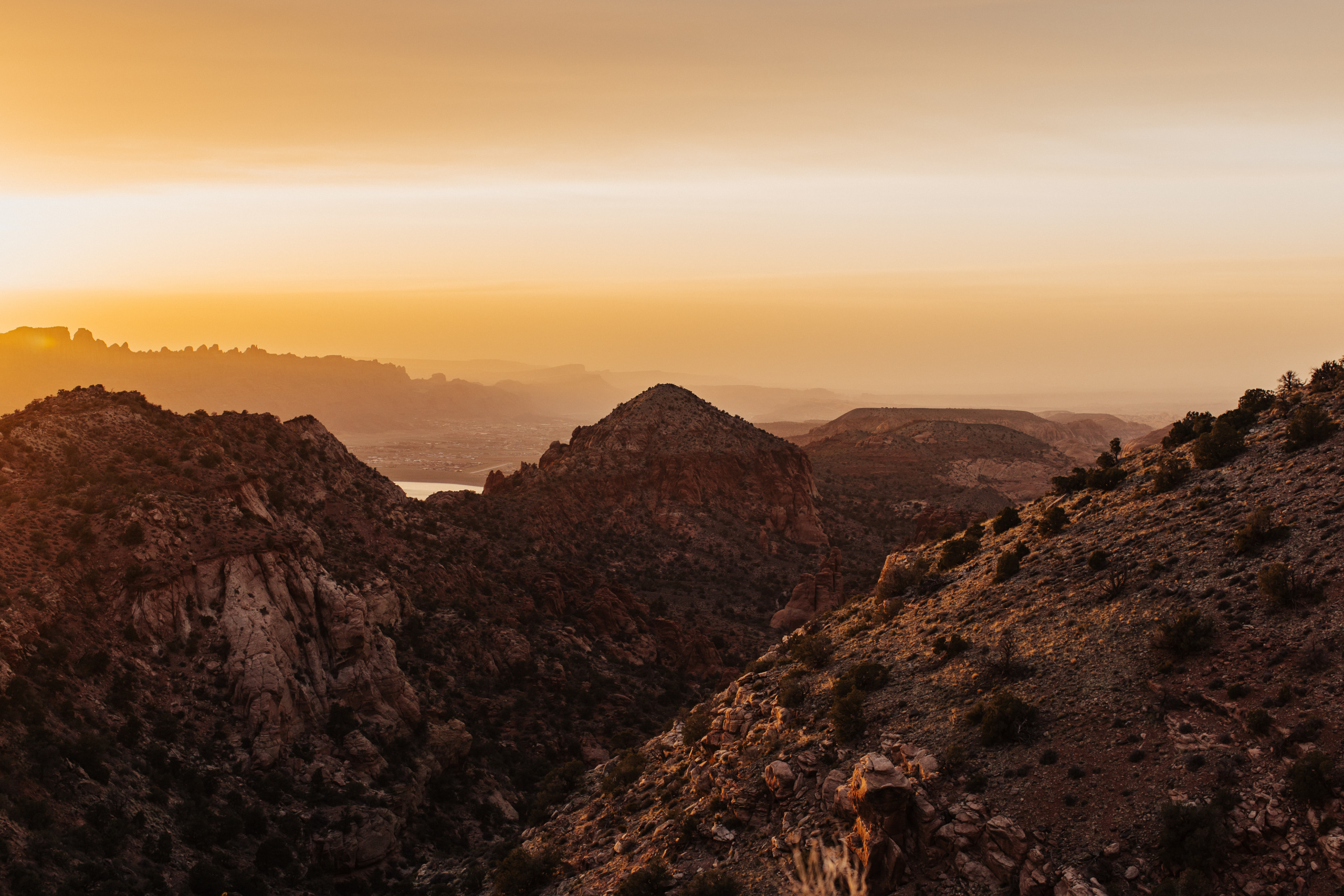
Hanksville feels like another world. Bentonite Hills glow at sunset. Factory Butte rises from the ground in a way that feels unreal. Moonscape Overlook is exactly what it sounds like.
But, it is remote… so plan ahead.
More Places to Explore
Add these to your list:
- Marlboro Point for sunset views (off road vehicle required)
- Mill Canyon Dinosaur area for fossils
- La Sal Mountains for a cooler, alpine setting
- Goblin Valley State Park + Little Wildhorse Slot Canyon (I recommend pairing these with your day trip to Hanksville to see the Bentonite Hills and Moonscape Overlook!)
Be Prepared For Unseen Logistics:
These areas are more remote than the parks. Here’s my pro tips as someone who spends a lot of time here!
- Fill your gas tank before heading out
- Bring extra water and snacks
- Expect little to no service in most places outside of town: download your driving routes (including backup routes!), trail guides, and any other necessary info to your phone before setting out
These areas are a different side of Moab, Utah that not everyone takes the time to see. They’re worth the extra prep!

The Logistics: Where to Stay + Eat
Finding Your Place to Stay
Moab offers a mix of simple and unique places to stay. While there are familiar hotel options, the most memorable stays tend to be the more local or experience-driven ones.
Airbnbs are not allowed within town limits, but you will find great options in Spanish Valley just outside of town.
Unique Stay Options
Some favorites include:
- Under Canvas for a glamping experience
- Moenkopi Yurts for something different
- Moab Springs Ranch or Sorrel River Ranch for a more elevated stay
- Spanish Valley homes for larger groups
When it comes to food, I’ve got you covered!
Local Favorites:
There is a mix of casual and more refined spots, all with their own personality.
- Proper Burger & Brewing for something fun
- Spoke on Main for a go-to dinner
- Thai Bella for something warm and comforting (and great pho!)
- Desert Bistro for a more upscale experience
- Moab Food Truck Park for a quick lunch
Coffee and Brunch
Do not skip the local coffee spots! We love supporting local!
- Moab Coffee Roasters is a favorite, especially for their pistachio latte
- Gloria’s is great for brunch and smoothies

The Details for Your Moab Guide: Activities + What to Pack
Whether you want something relaxed or more adventurous, there is something for everyone here. I compiled this list of activities to get your ideas going! And I’ve also included a packing list, so you feel prepared!
Popular Activities for Your trip:
You can build your trip around experiences like:
- Off-roading in Jeeps or ATVs
- Rafting on the Colorado River
- Mountain biking world-class trails
- Canyoneering and repelling
- Horseback riding
- Helicopter or airplane tours (so so pretty!)
- Skydiving (hardly a better landscape to skydive over!)
- BASE jumping
- Moab Rope Swing (pretty sure it’s the highest on earth!)
- Wine tasting
No matter what you choose, it will require a little preparation. So here’s your handy packing list!
What to Pack:
First to note: Moab is a desert. Surprise! 😉 Most of Utah is labeled as ‘high desert’ because of our elevation. Moab will usually see snow December-early March. If you have never visited a desert, you may be surprised by how the dryness of the air can affect you. Always be hydrating!! Altitude is rarely a problem in Moab, but if you find yourself feeling altitude sickness, many gas stations and grocery stores around Utah sell little oxygen canisters you can carry around to give yourself a boost (my favorite brand is literally named Boost).
- Plenty of water and backup hydration
- Salty snacks
- A jacket for cooler mornings/evenings
- Comfortable hiking shoes
- Layers for changing temperatures
- Hat and sunglasses for sun protection
- Hiking first-aid (bandaids, blister repair, etc)
If you’re visiting in winter, you will need winter attire (coats, gloves, hats, hiking boots, warm socks) as temperatures can dip below freezing.
Ending the Experience: Your Moab Guide
This place offers more than just things to do. It offers moments you will remember long after your trip ends. This environment has a way of sticking to you long after your trip, making it one of the most memorable places to visit in the United States.
And that is what makes it so, so special. If you enjoyed this Moab Guide and are interested in booking a photography experience here… reach out to me here! I would love to help you plan an epic adventure in this magical place.

